introduction
In an era dominated by visual spectacles and commercial blockbusters, “The King’s Speech” stands out as unique. Without flashy visual effects, dazzling costumes, or artificially engineered emotional excitement, it achieves a cinematic masterpiece through its quiet and profound power. The film’s story itself may seem overly simple: a stuttering king ultimately overcomes his obstacles to deliver a historic speech. Yet, it is precisely this seemingly boring subject matter that makes the film a remarkable achievement in acting, pacing, and tension.
Plot background: A seemingly simple inspirational story
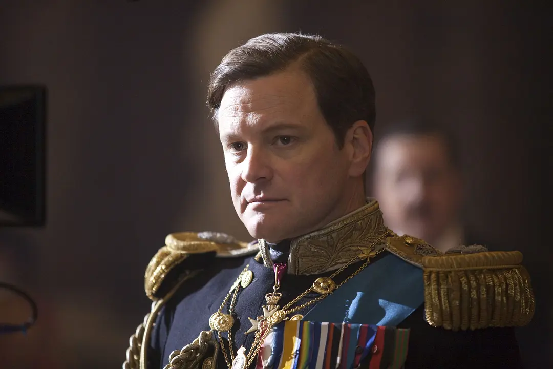
The film focuses on the coming-of-age story of King George VI of the United Kingdom (played by Colin Firth). He suffered from a speech impediment from childhood, yet was forced to take on the mission of inspiring his nation at the juncture of World War II. Finding his voice amidst his stutter is both a personal journey and a microcosm of the fate of the royal family and the nation.
If you were to summarize the story simply as “The King Stops Stuttering,” with few thrilling twists and turns, what truly elevates the film beyond the mere “inspirational” label is how the director and creators, through performance and editing, transform subtle human struggles into powerful artistic expression.
The power of performance: the first source of tension
Colin Firth’s performance in the film is often considered a career highlight. His portrayal of George VI isn’t just a man struggling to overcome his stutter, but a king constantly struggling between vulnerability and dignity. The audience feels both sympathy for his awkwardness and, in crucial moments, awe and respect for him.
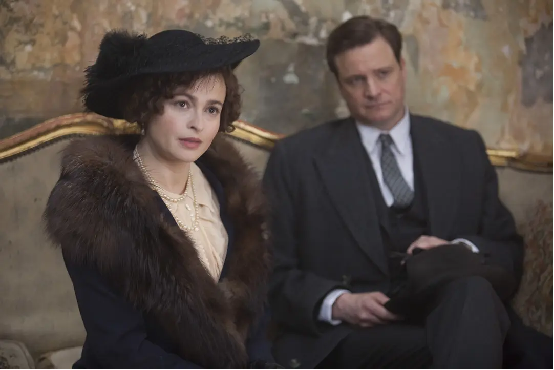
However, the film’s captivating performances don’t rest solely on his own. Jeffrey Rush, as speech therapist Lionel, becomes the king’s hidden mentor, and his interactions with the king form the film’s emotional core. Helena Bonham Carter, as the queen, injects warmth into the film with brief yet precise expressions. Even characters with limited screen time create layers of resonance through subtle expressions and gestures.
This “group tension” in the performance allows Firth to no longer be a lone focal point, but rather to be placed on a stage where there is always support and tension. This also explains why, even in scenes where he is “speaking alone,” the audience can still sense the invisible force surging.
Editing and rhythm: the second guarantee of tension
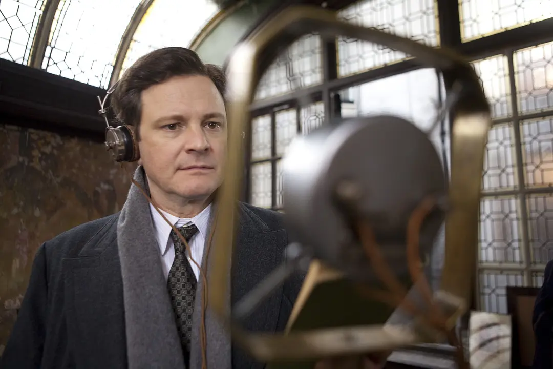
If the performances provide the film with its human weight, then the editing and music establish its rhythmic pulse. The film’s climax, the declaration of war speech, lasts just over three minutes, but perfectly matches the rhythm of Beethoven’s Seventh Symphony, becoming an almost ritualistic experience.
The camera gradually transitions from the king’s tense expression to the faces of British people from all walks of life, as if silently showcasing the cohesion of a nation. This unassuming yet indestructible composure imbues the short footage of just a few minutes with a depth that transcends its duration.
The unique temperament of British films
British films have always emphasized “seeing the big picture through the small,” prioritizing restrained emotion and nuanced performances. However, this style can, over time, become overly reserved, even boring. “The King’s Speech” transcends this limitation precisely because it strikes a perfect balance between narrative rhythm and dramatic tension, while maintaining nuance.
This film retains the elegant restraint of British cinema while also unleashing a powerful emotional impact at crucial moments. When the two come together, the work transcends the level of “excellent film” and reaches the realm of “artwork.”
Conclusion: A night-blooming cereus
“The King’s Speech” doesn’t rely on sensory stimulation, but rather reaches its climax in silence. It’s a film that demands the audience’s quiet contemplation, each second imbued with meticulously crafted beauty. As such, it’s not just a retelling of an inspirational story, but a work of art worthy of repeated appreciation.
So the question is: In today’s fast-paced, “exciting” world of filmgoing, can such a quiet yet profound film still retain its enduring appeal? Are you moved by its restraint, or are you more drawn to the visual bombardment? Share your thoughts in the comments.