1. Starting from the mind: Interpreting growth from an innovative perspective
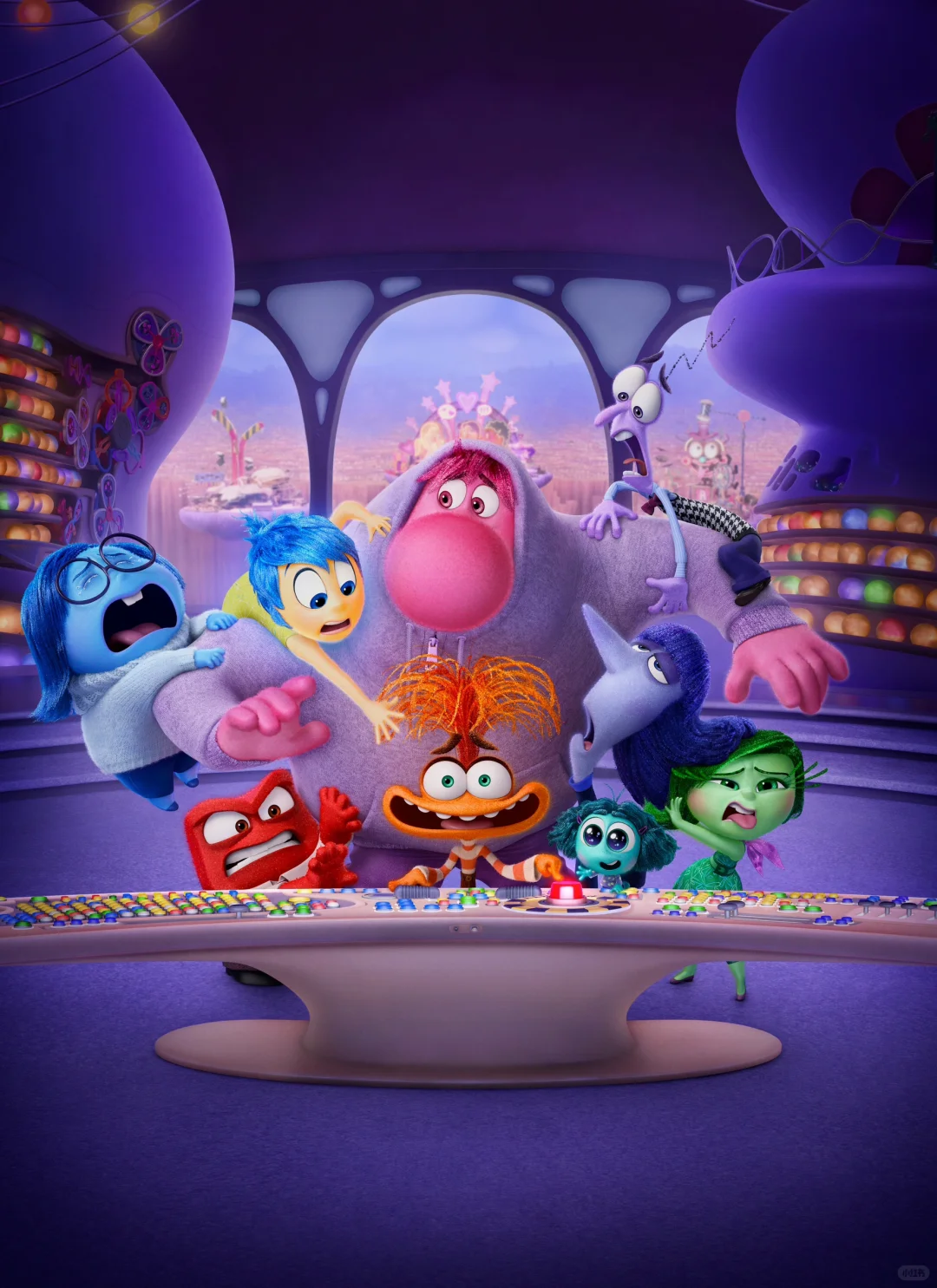
Pixar Animation has always been renowned for its innovative storytelling, and Inside Out takes this innovation to new heights. The film anthropomorphizes the human brain, telling the coming-of-age story of the protagonist, Riley, through the lens of five core emotions: happiness, sadness, fear, disgust, and anger. For anyone who has experienced childhood and adolescence, this approach is both intuitive and profound, allowing viewers to intuitively understand the impact of emotions on behavior. More than just an animated film, the film is a lesson in psychological growth and emotional management.
2. The Power of Emotions: The Balance of Happiness and Sadness
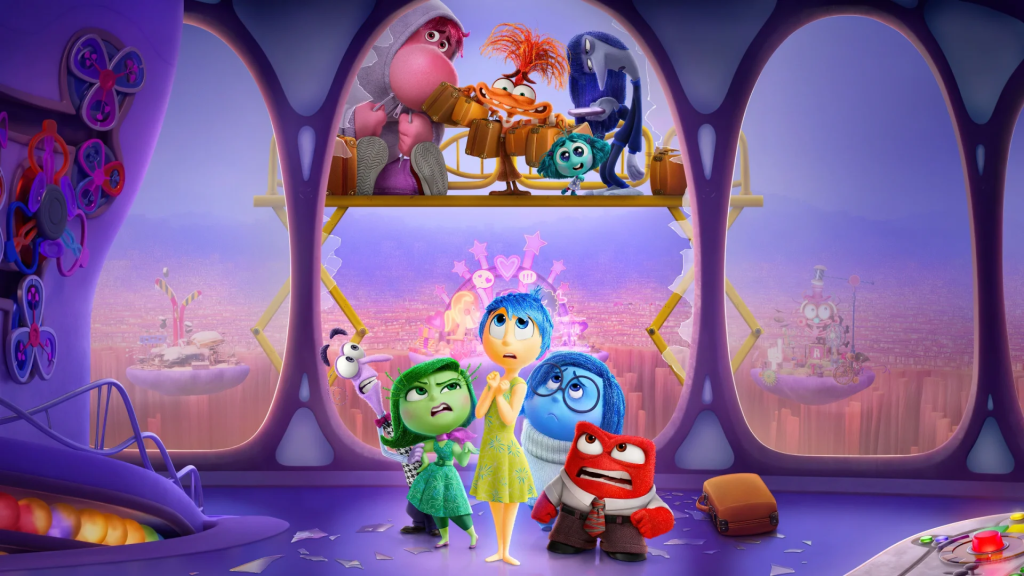
Throughout the film, joy remains the dominant emotion, guiding Riley through life’s challenges. However, as her family relocates and her living environment changes, sadness gradually assumes a more prominent role. This shift deepens the film’s message: growth isn’t simply about pursuing happiness; it’s about learning to accept sadness and understanding the diversity of emotions. Sadness isn’t simply about negativity; it fosters empathy and resilience, and it compels Riley to reevaluate herself and the world around her. This exploration of the complexity of emotion offers psychological enlightenment for young viewers and a reminder for adults to rethink their own emotional processes.
3. Growth in Adversity: Adaptation and Self-Reconstruction
Riley, in the film, faces the dual pressures of living environment, social circle, and academics due to her family’s relocation—a common challenge in growing up. Through the animated inner world, viewers can intuitively witness Riley’s struggle to find balance amidst this chaos. The interplay of joy and sadness symbolizes the process of psychological self-healing, demonstrating that in the face of adversity, one must learn to understand, accept, and integrate one’s emotions. The film’s core inspirational message is that in the face of life’s uncertainties and challenges, understanding oneself and facing one’s emotions are key to growth and psychological maturity.

IV. Educational Significance and Family Values
“Inside Out” not only offers thought-provoking insights into psychology but also offers insights into family education. By understanding their children’s emotional dynamics, parents can more effectively communicate and guide their children. The film’s clever use of personified emotions allows children to intuitively perceive their inner conflicts, reducing repression and the accumulation of negative emotions. It also serves as a reminder to adults that respecting and listening to children’s emotions is more important than simply persuading them. The film leverages the playfulness of animation to make complex psychological concepts vivid and accessible, creating an entertaining and educational experience.
5. The perfect combination of art and narrative
Pixar also strives for excellence in visual presentation. Five emotions are expressed in distinct colors and forms, creating a world within the human mind that is both imaginative and consistent with psychological semiotics. The vibrant, lifelike character designs not only resonate emotionally with viewers but also leave a lasting visual memory. The narrative is tightly paced, with the conflict and synergy between emotions driving the story forward while enhancing the film’s educational and entertaining value.

6. Inspiration and Reflection: Growth Requires Emotional Intelligence
After watching “Inside Out,” viewers will discover that growth isn’t just about age; it’s also about accumulating emotional wisdom. Balancing joy and sadness, fear and anger, and disgust is essential for navigating life’s choices and challenges. The film encourages viewers to proactively understand and accept their emotions, building inner stability and health through self-regulation and communication. For teenagers, it serves as an enlightenment to emotional education; for adults, it serves as a reminder for self-awareness and psychological growth.
7. Summary: The inspirational power of animation
“Inside Out” perfectly combines emotional management and growth inspiration with innovative visual language and profound psychological insights. It teaches viewers that every emotion has its value, and every moment of growth is accompanied by emotional fluctuations. Only by understanding and accepting oneself in the face of life’s challenges can one truly achieve psychological maturity and strength. It is this fusion of entertainment and psychological education that makes “Inside Out” not just an animated film, but also a modern inspirational classic about growth and spiritual enlightenment.